
How to Paint a Book Nook Kit: Easy DIY Customization Tips
Simple ways to paint, customize, and transform a book nook into a miniature world that feels uniquely yours.

A music box’s charm lies in its delicate mechanism—a combination of a wound spring, a spinning drum, and precisely tuned metal combs. When something goes wrong, it often manifests as silence, sticking, or mechanical jamming. Fortunately, most problems are fixable with light cleaning, gentle adjustments, and a little patience. This how-to article guides you step-by-step through diagnosing and fixing common issues in music box movements, even if you’re a beginner with no tools beyond a soft brush and a screwdriver.
Before diving into the repairs, remember one golden rule: always handle your music box gently. These are precision instruments, and too much force can cause more harm than good.
Here’s a high-level overview of what you’ll be doing:
Check if the spring is fully wound and functioning.
Look for any debris or blockages.
Inspect the sound-producing components like the comb and cylinder.
Ensure the gears are aligned and moving smoothly.
Use only minimal, appropriate lubrication if needed.

Most music boxes are powered by a wound-up spring. Here’s how to test it:
Locate the winding knob, usually on the bottom or side.
Slowly turn it clockwise until you feel resistance. Do not over-wind, as this may break the spring.
Release it and observe: Does the drum spin? Is there any sound?
If it’s stuck:
Gently clean around the knob with a soft brush.
Apply 1–2 drops of sewing machine oil (never cooking oil!) around the spring base and wait a few minutes before trying again.
Small particles—like wood chips or fibers—can obstruct movement.
If the outer case opens (via screws or latches), carefully open it.
Use tweezers to remove any visible debris.
Lightly brush the inside with a soft cloth or air blower. Avoid touching the comb or drum directly.
If it’s non-removable:
Tilt the music box gently and shake it to see if any loose debris falls out.
The heart of the music box movement is the cylinder (with raised bumps) that plucks the comb’s metal teeth.
With the box open, check if:
The comb is straight and not bent.
The bumps on the cylinder align correctly with the comb teeth.
Fix minor misalignment by:
Using your fingertip to gently nudge the comb or cylinder into position. Take care—metal parts are delicate.
Inside every music box is a miniature gear system.
Turn the winding key slowly and watch if the gears turn in sync.
If one gear doesn’t move, it may be misaligned or stuck.
Try this:
Gently reposition the gear with a toothpick or soft tool. Avoid forcing any part.
Always work on a soft, clean surface to avoid scratching components.
Avoid excessive oiling—1–2 drops in the right spot are enough.
Don’t disassemble parts you can’t reassemble unless you’re experienced.
If none of these steps work, the problem may be a broken internal part (e.g., snapped spring, cracked comb). In such cases, we do not recommend disassembly, as it can cause more damage.
If your music box is a brand product or gift, reach out to the seller or manufacturer. You may be eligible for repair or replacement, especially if it’s still under warranty.
If your music box movement is beyond repair, replacing the mechanism can quickly bring your project back to life.
Looking for a new music box movement? Check out our music box mechanism kit for essential tools.
Here are several popular types of music box mechanisms used in DIY crafts and miniature projects.
A classic spring-powered music box movement that plays after winding the key.
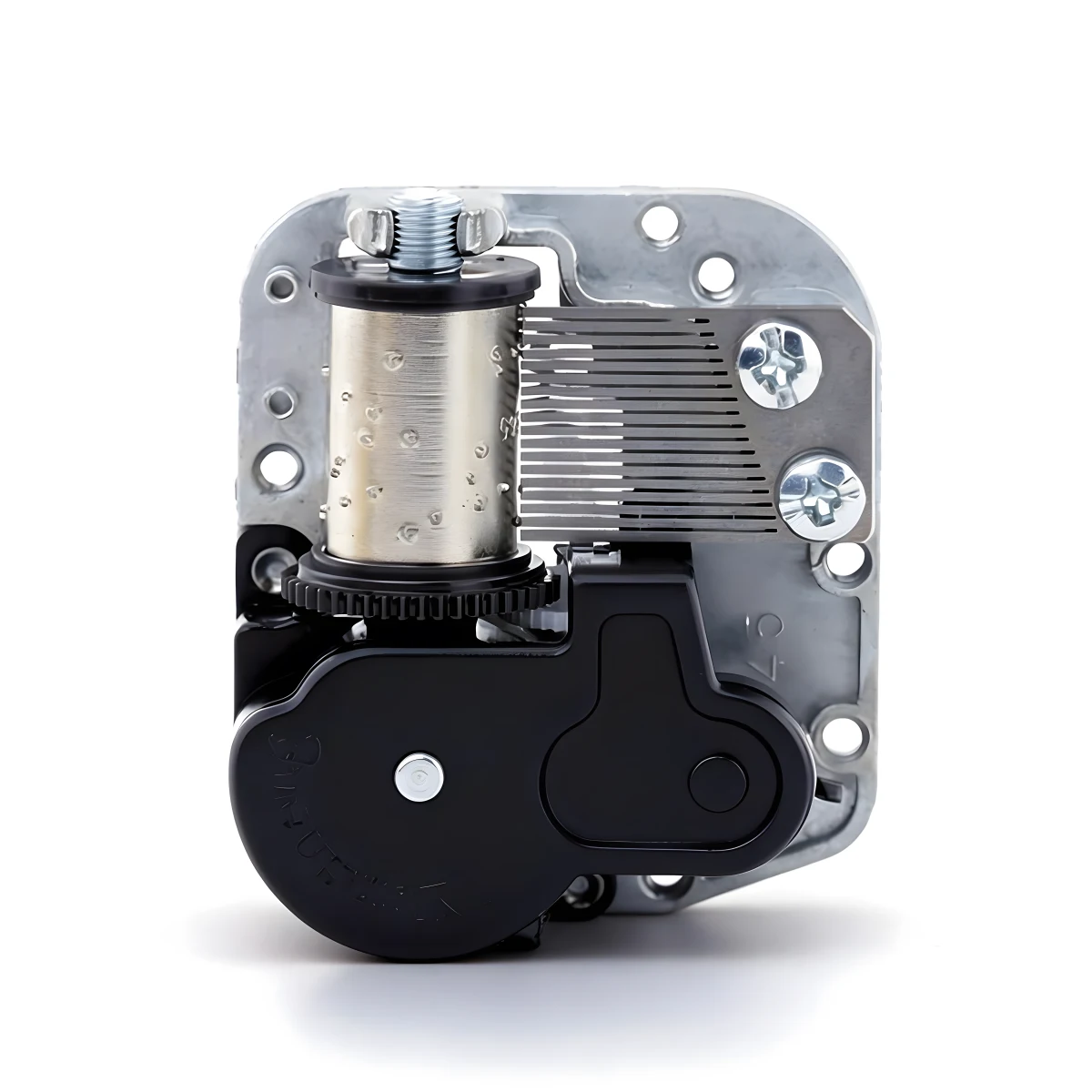
18-note wind-up music box mechanism (21 × 45 × 50 mm)
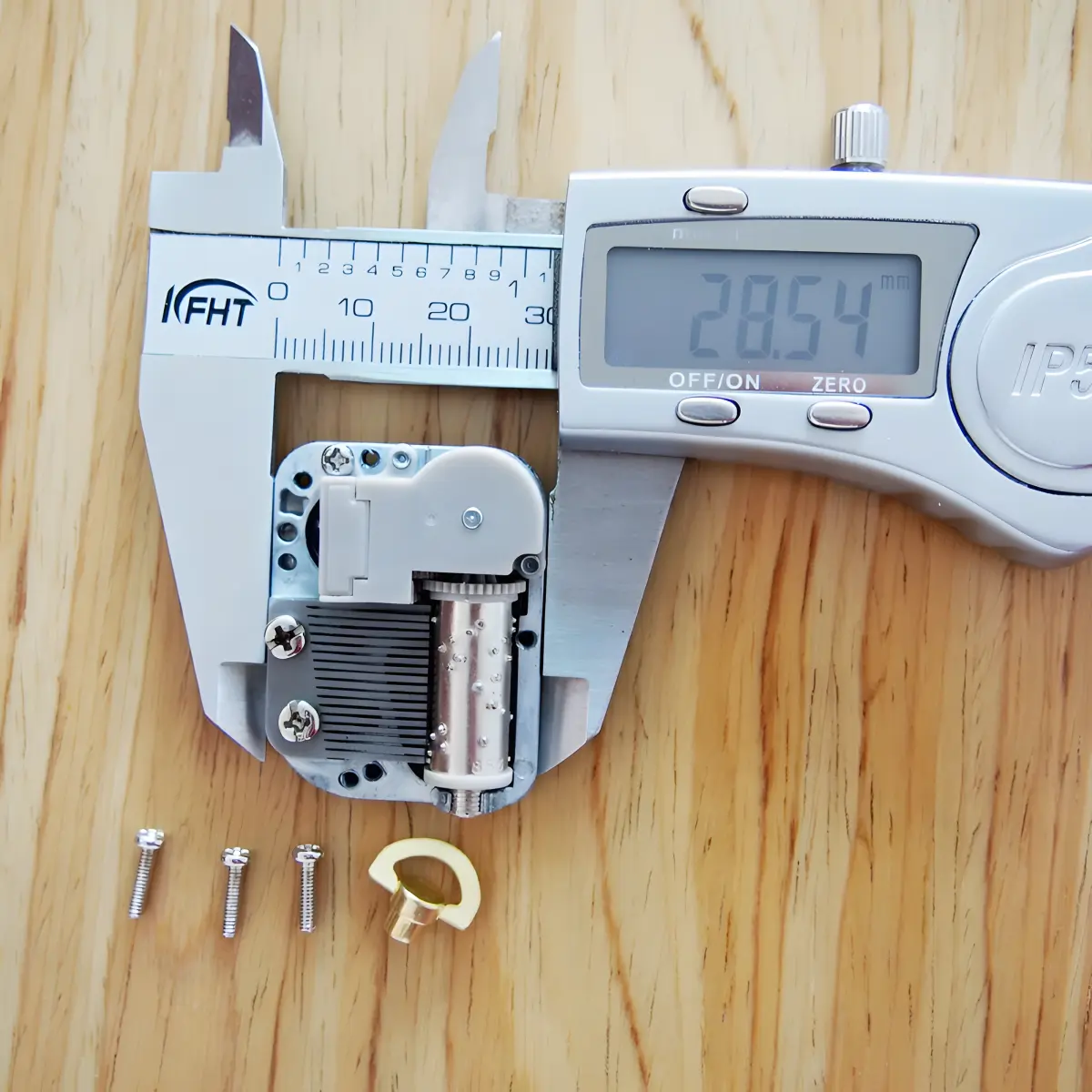
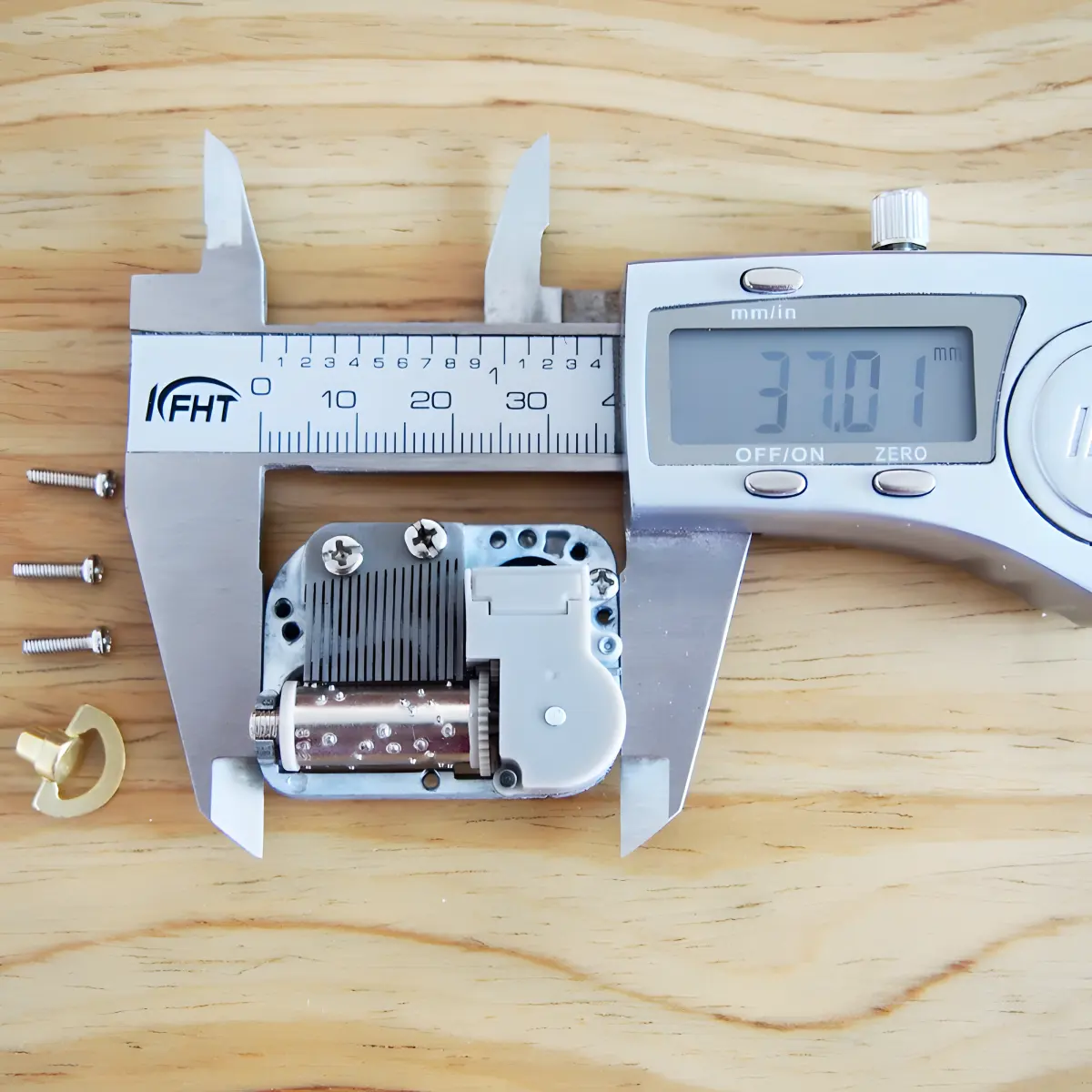
mini 18-note wind-up music box mechanism (12 × 28 × 37 mm)
Best for:
These mechanisms require no batteries and offer an authentic mechanical music experience.
A hand-crank music box plays music when you turn the handle manually.
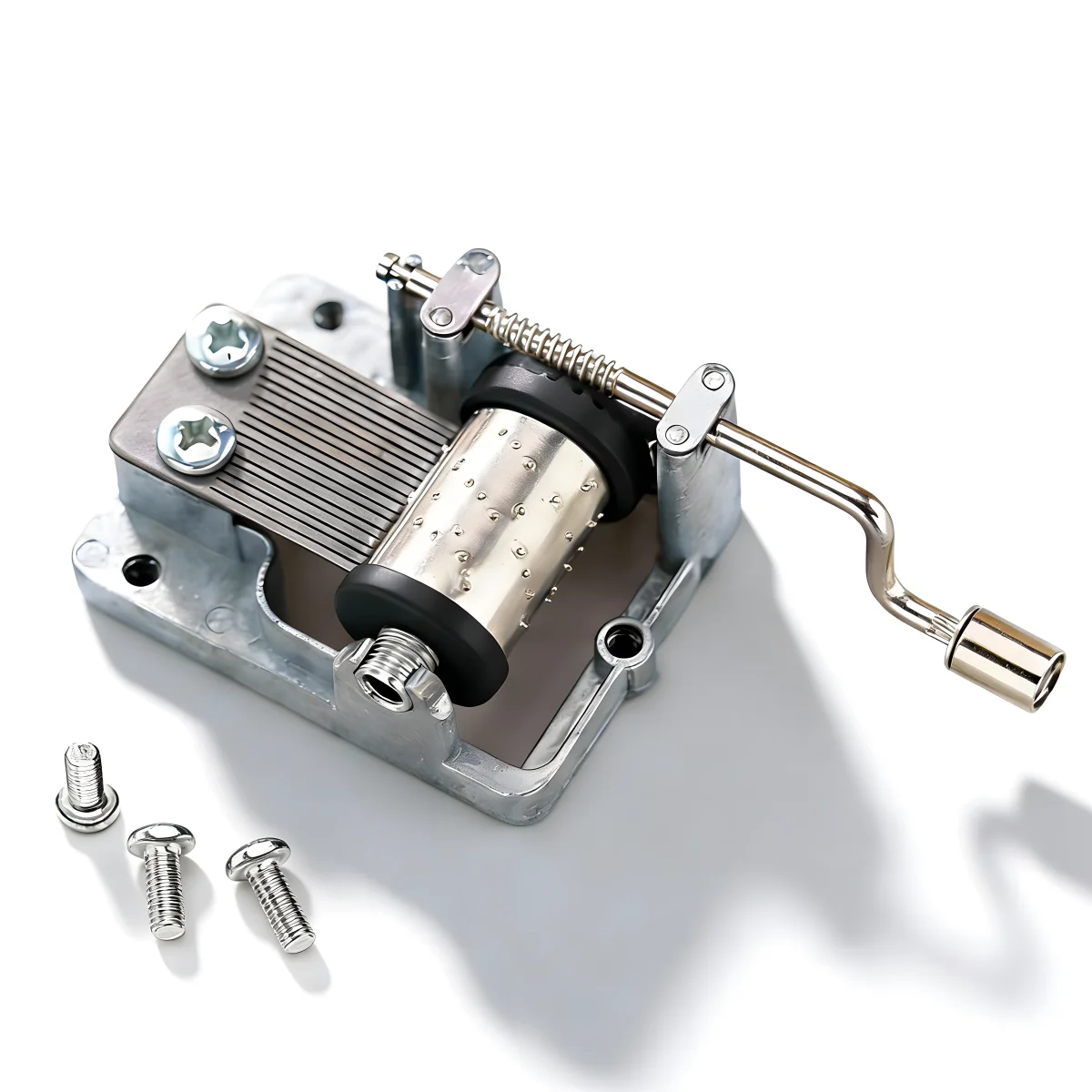
18-note hand crank music box mechanism (20 × 36 × 75 mm)
This type is often used in:
It is simple, fun, and very popular among DIY enthusiasts.
Electric music box mechanisms are powered by batteries and can play continuously without manual winding.
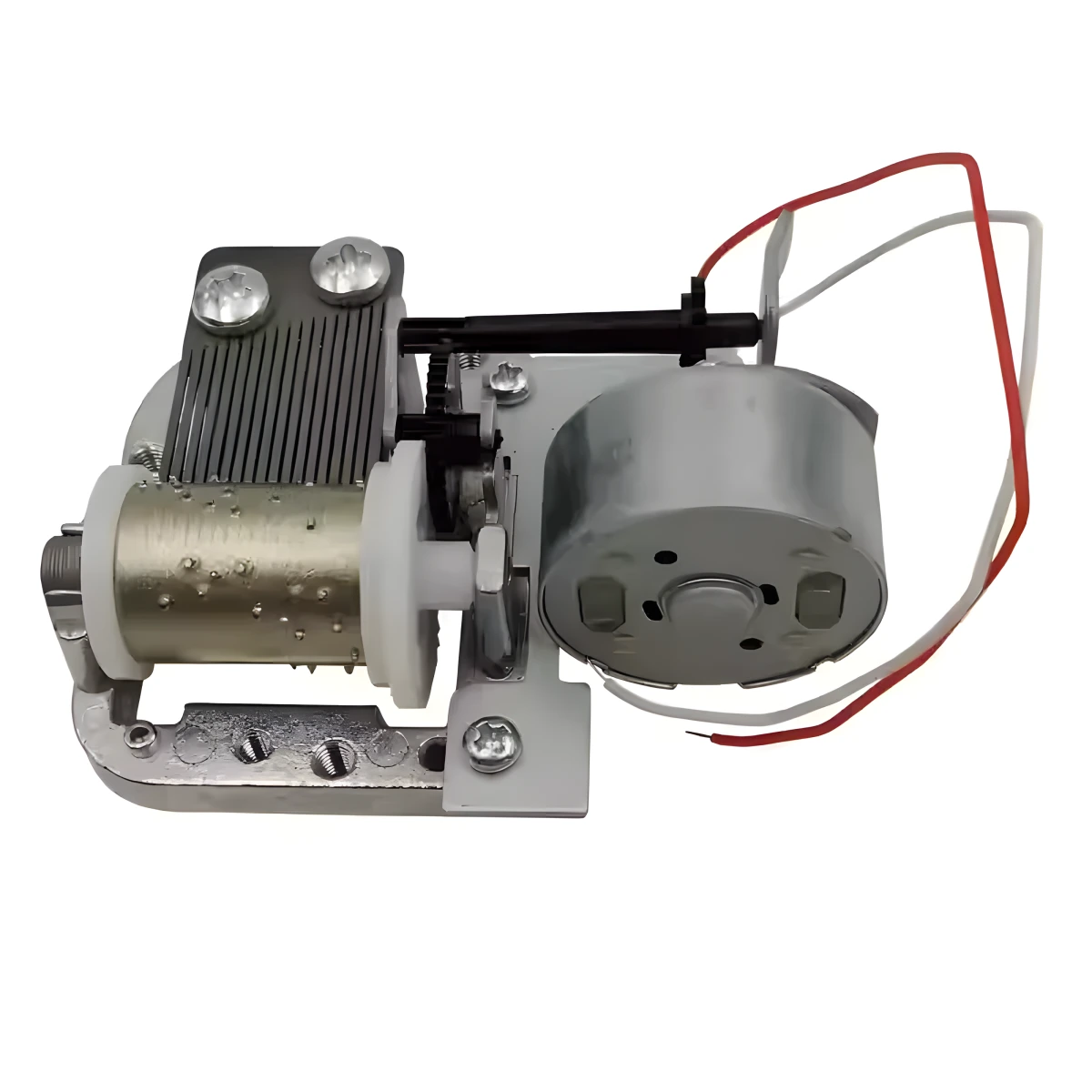
electric 18-note music box mechanism (58 × 44.5 × 25 mm)
They are ideal for:
These mechanisms are commonly used in creative craft installations and decorative displays.
A rotating music box mechanism combines music playback with movement.
As the melody plays, the mechanism can rotate decorative elements such as figurines or miniature displays.

rotating electric 18-note music box mechanism (58 × 44.5 × 51 mm)
This type is perfect for:
High-quality movements from Yunsheng are widely trusted by music box makers around the world.
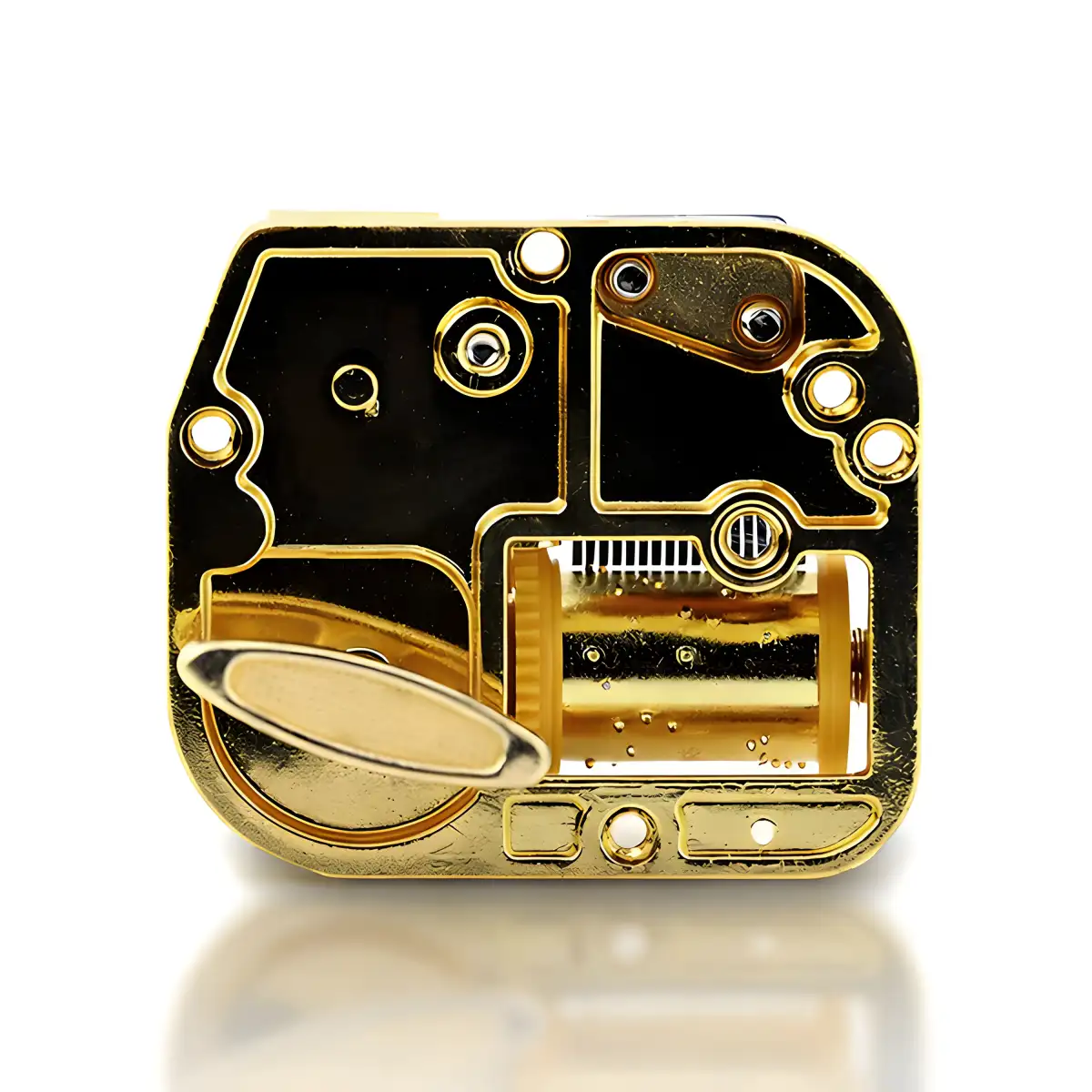
yunsheng 18-note gold-plated wind-up music box mechanism (20 × 45 × 50 mm)
These 18-note wind-up mechanisms are known for:
They are often used for DIY music boxes, restoration projects, and high-quality handmade gifts.
Explore more parts and add-ons in our full Accessories collection for music box and book nook projects.
Music box movements are tiny wonders of craftsmanship. With a light touch, basic tools, and a little patience, you can often restore them to working order. Happy fixing—and may your music box sing again soon!
Simple ways to paint, customize, and transform a book nook into a miniature world that feels uniquely yours.

Looking for summer miniature kits? Explore beach Book Nooks, Mediterranean coastal scenes, tropical beach bars, and cozy European taverns for a little summer feeling on your bookshelf.