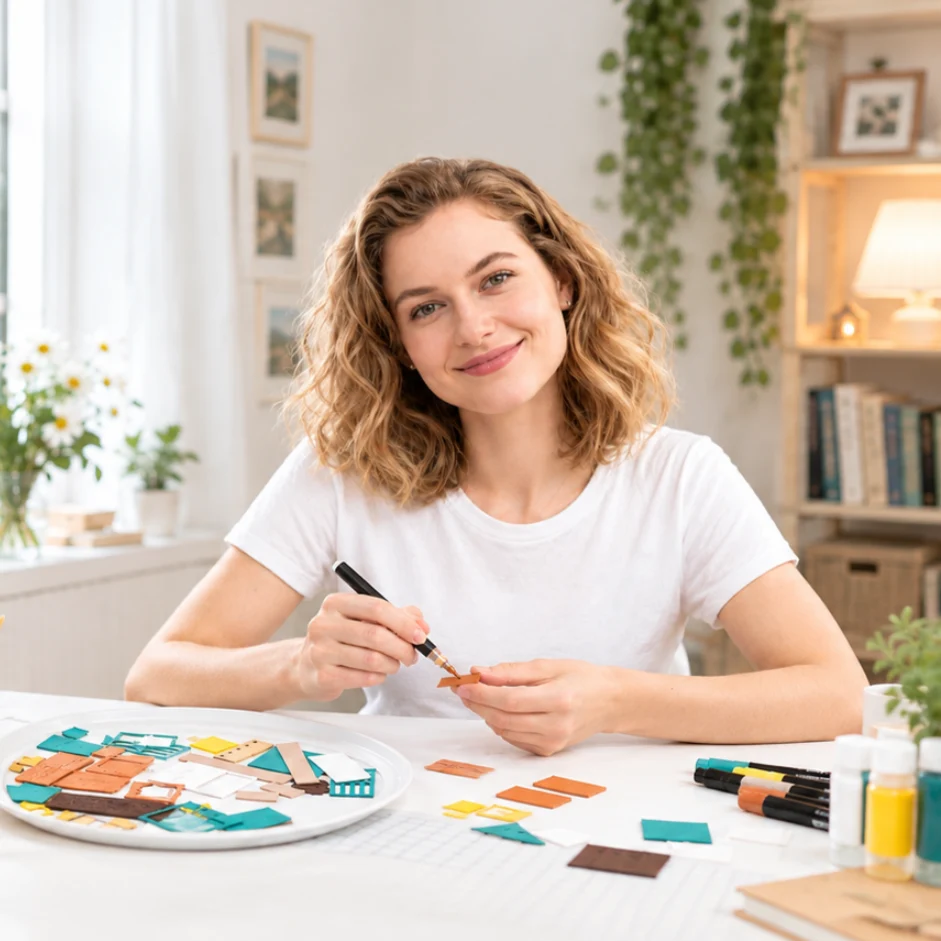
How to Paint a Book Nook Kit: Easy DIY Customization Tips
Simple ways to paint, customize, and transform a book nook into a miniature world that feels uniquely yours.

In recent years, Book Nooks have quietly evolved from a niche craft into a meaningful cultural movement.
These tiny bookshelf worlds capture not only stories and architecture — but emotions, memories, and dreams.
.webp)
When we build a Book Nook, we’re not just crafting an object; we’re constructing a reflection of ourselves.
Each miniature street, every glowing window, whispers something about how we see the world — and how we wish the world could be.
At their heart, Book Nooks are not just hobbies. They are mirrors — of our psychology, our identity, and our shared human longing for beauty and belonging.
🔗 Related reading: What Is a Book Nook? A Complete Beginner’s Guide to DIY Bookshelf Dioramas
There’s something deeply grounding about creating with our hands.
In an age of screens and endless scrolling, Book Nook crafting offers an antidote — a tangible way to slow down and focus.
Psychologists call this the “flow state”: the mental space where time disappears, and we are fully immersed in what we love.
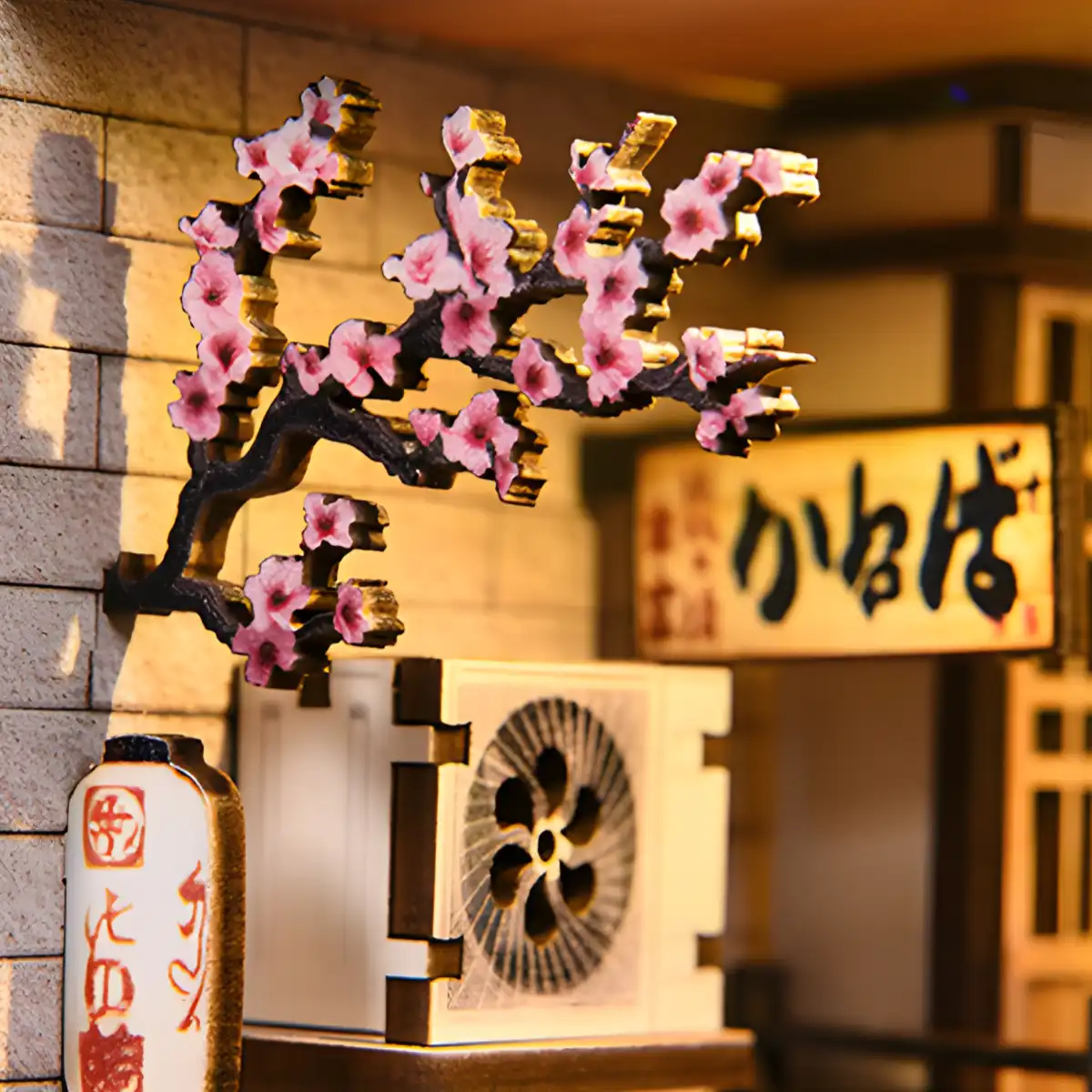
Building a Book Nook engages this sense of flow. Each tiny piece, each careful adjustment of light and shadow, becomes a meditative act.
We find ourselves breathing more evenly, thinking less, feeling more.
The repetitive yet meaningful process restores a sense of control — not over the outer world, but over our inner one.
Many crafters describe their Book Nooks as “safe places” — little havens where the chaos of reality cannot reach.
When we create miniature scenes of comfort or fantasy, we project our emotions into them.
It’s not about escapism, but about creating containment — a world small enough to understand, and beautiful enough to heal.

The soft glow of a street lamp, the open door of a bookstore, the quiet alley at dusk — each element is an invitation to rest within imagination.
🔗 Explore more: Miniature Worlds as Self-Therapy: Why Crafting Book Nooks Heals Modern Anxiety
Book Nooks have become more than crafts; they are declarations of taste, personality, and worldview.
Online communities share thousands of handmade creations — from fantasy wizard alleys to nostalgic train stations, from cozy reading corners to poetic Japanese gardens.
In these creations, people express who they are and what they love: literature, architecture, solitude, storytelling.
Each design becomes a quiet statement — this is my world, built by my hands.
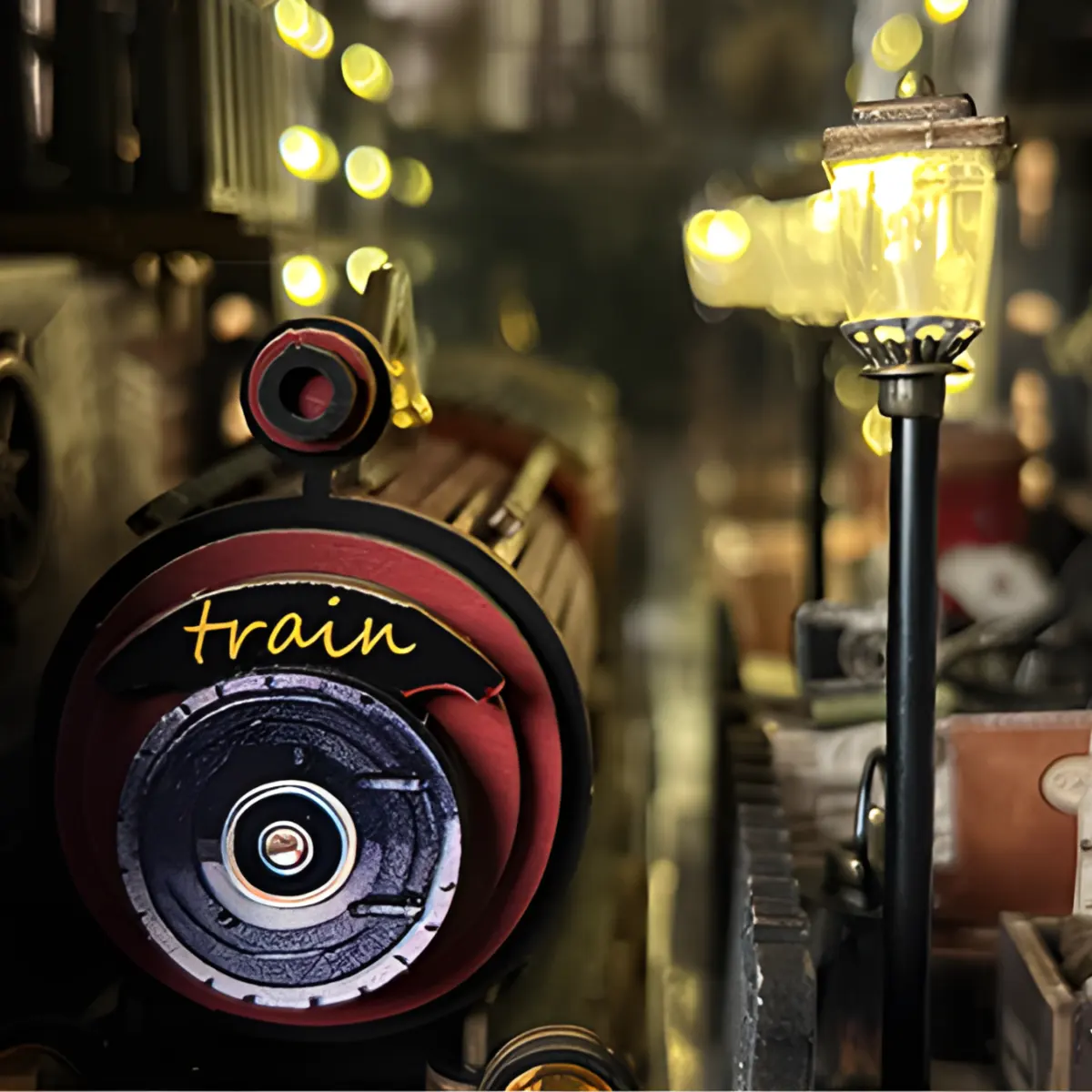
The act of making transforms into a form of self-expression that words can’t convey.
Just as painting once expressed the soul, Book Nooks now speak through space, light, and silence.
In contrast to mass-produced décor, Book Nooks embody something rare in modern life — meaningful time.
They resist the culture of instant gratification, asking for patience and care instead.
Each piece we assemble, each mistake we fix, reaffirms that slowness has value.
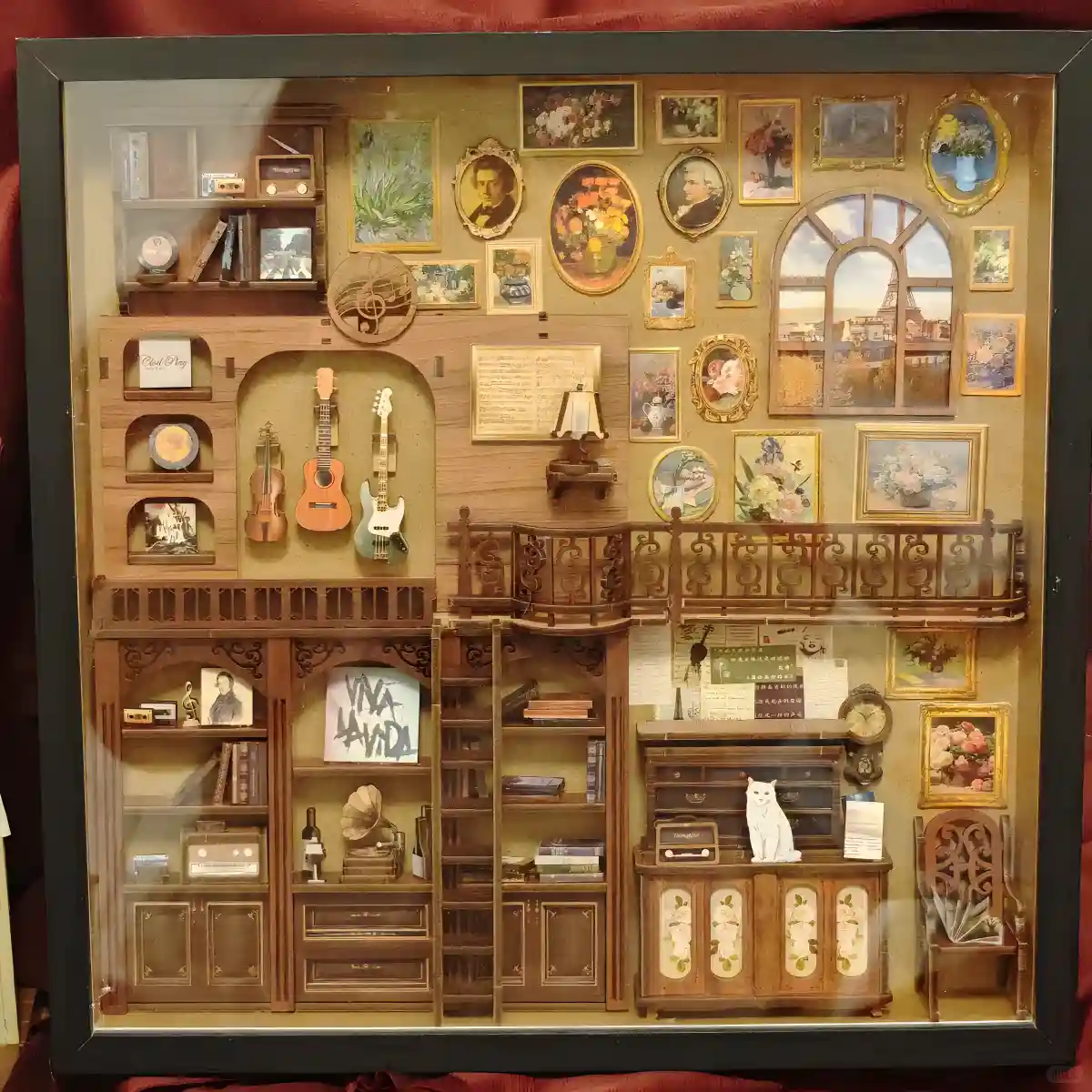
In a world that celebrates efficiency, Book Nook makers celebrate presence.
And that is perhaps the quiet rebellion of the Book Nook movement — the courage to spend time creating something that exists purely for joy.
🔗 Continue reading: DIY as Identity: How Book Nooks Express Who We Are
Book Nooks are also bridges — connecting generations, friends, and families.
Parents and children who build together often describe it as “quality time that doesn’t need words.”
They laugh at misaligned walls, share the triumph of a working lamp, and in the process, create memories that last longer than the finished piece itself.
In a world where digital distractions fragment our attention, crafting together becomes an act of attention — to each other, and to the moment shared.

A Book Nook kit, when gifted, carries more than materials — it carries emotion.
It says, “I want you to have something meaningful, something made by you.”
Unlike a purchased ornament, a finished Book Nook holds stories of patience, imagination, and the maker’s spirit.
These handmade worlds become tokens of love, gratitude, or remembrance — small yet profound ways of saying, “This is what you mean to me.”
🔗 Discover more: Family Rituals in Miniature: Building Book Nooks Together
In East Asian art and architecture, beauty often lies in restraint — the elegance of emptiness, the suggestion of meaning through what is not shown.
Many Book Nook designs echo this spirit. A moon gate leading to nowhere, a paper lantern glowing softly, a corridor fading into mist — these elements reflect the philosophical pursuit of stillness and balance.

Chinese-inspired and Japanese-style Book Nooks often embody “静” (tranquility) and “远” (distance) — creating emotional depth through simplicity.
Meanwhile, Western Book Nook designs often draw from literary and architectural traditions — cobblestone streets, wizard shops, and mysterious libraries.
They celebrate narrative and nostalgia — each diorama a frozen frame of a larger story.

Here, the pleasure lies in recognition: I’ve read this world before. Now I can build it myself.
Today’s Book Nooks blur these boundaries beautifully.
From Alice’s Tea Party Diary to Magic Alley, creators mix Western fairytale wonder with Eastern craftsmanship and minimalism.
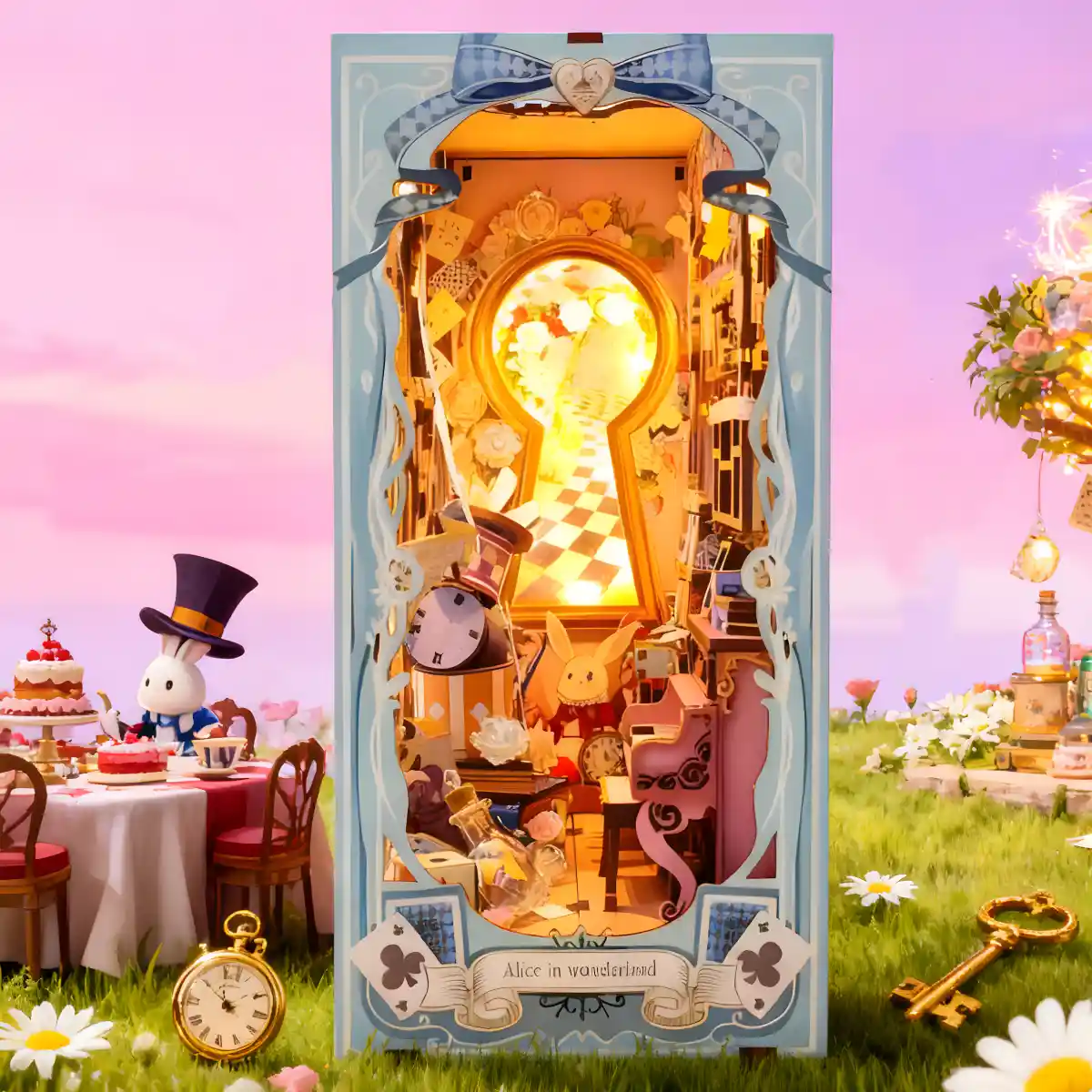
The result is a global language of imagination — proof that creativity transcends geography, culture, and time.
🔗 Related kits: Alice’s Tea Party Diary DIY Book Nook Kit, Magic Alley Book Nook Kit
Why are Book Nooks and miniature crafts flourishing now, in an age defined by technology?
Because they offer something technology cannot — tactility, intimacy, and imperfection.
As we build, we reconnect with the joy of touch, smell, and presence.
The hum of a light bulb, the scent of wood glue — small sensory anchors in an increasingly virtual world.

This is more than nostalgia. It’s a renaissance of mindful creation — a return to meaning through making.
To create is to be human.
Each Book Nook built is a quiet declaration: I exist, I care, I make.
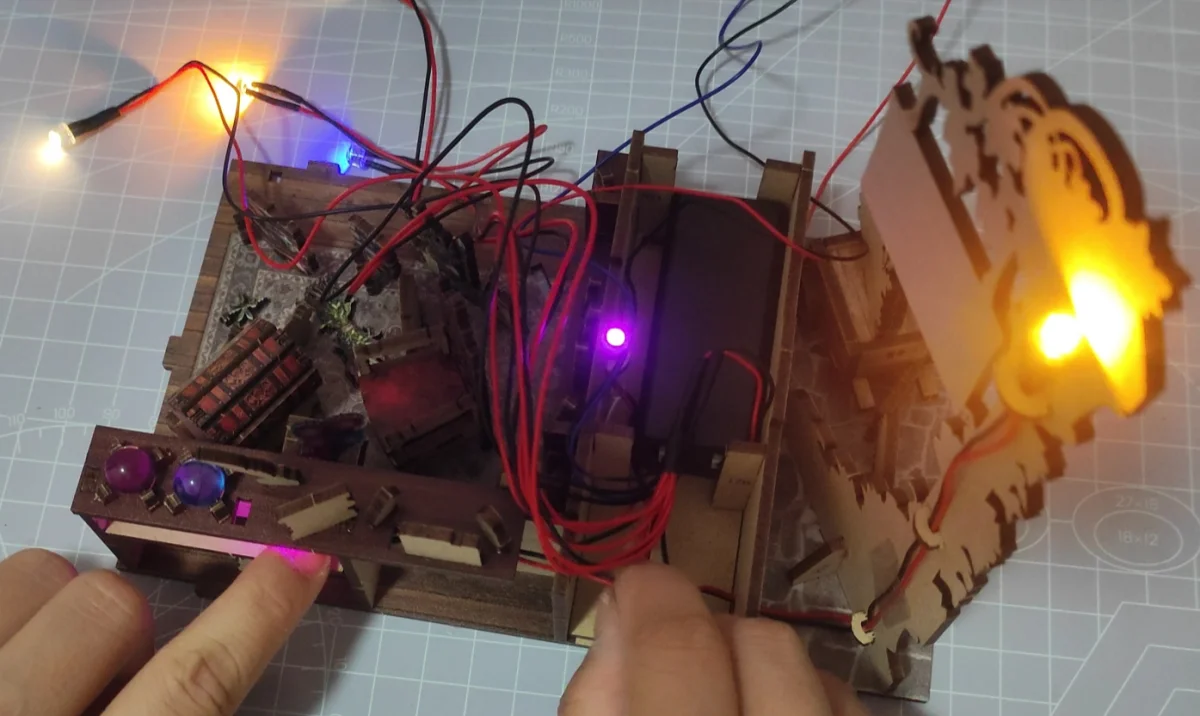
Through mindful creation, we don’t escape reality — we reconcile with it.
We remind ourselves that even in uncertainty, we can still build something beautiful, one tiny piece at a time.
Book Nooks reveal more than skill or patience; they reveal a philosophy of life.
They show that fulfillment doesn’t come from speed or perfection, but from creation, reflection, and care.
At Rofuntime, we believe in the healing and connective power of making.
Each kit we curate — from whimsical fantasies to traditional Chinese pavilions — invites you to build not only an object, but a moment of peace and meaning.

Because in the end, every Book Nook we craft is a quiet affirmation:
that even in small spaces, there is infinite room for imagination.
✉️ Join our Make & Share Community to connect with fellow creators, exchange ideas, and discover new ways to bring your imagination to life.
Simple ways to paint, customize, and transform a book nook into a miniature world that feels uniquely yours.

Looking for summer miniature kits? Explore beach Book Nooks, Mediterranean coastal scenes, tropical beach bars, and cozy European taverns for a little summer feeling on your bookshelf.